Feed Bin Monitoring Gives Growers Control Over their Biggest Cost
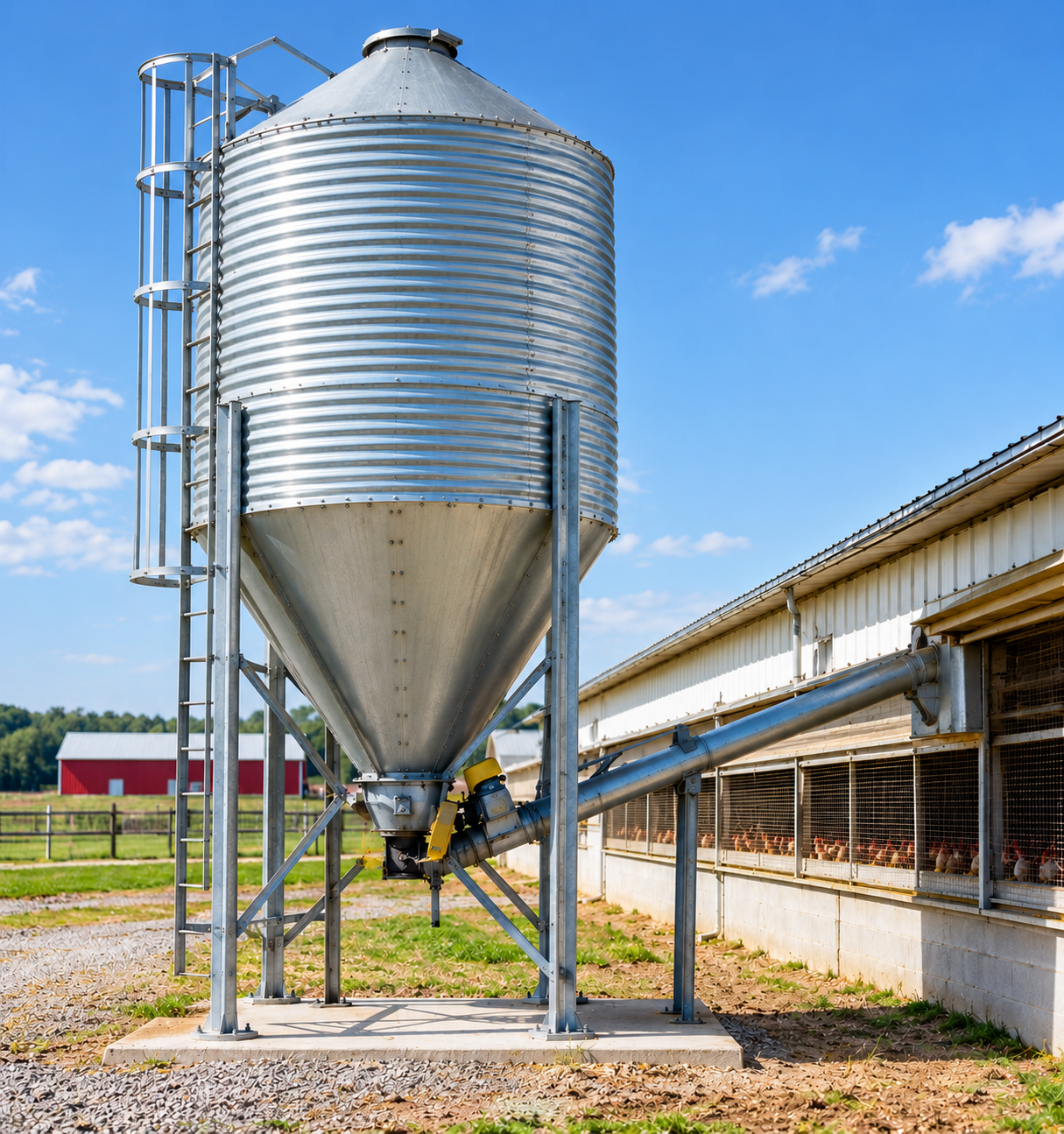
Let’s focus on feed bin monitoring. It’s one of the largest investments you’ll make on the farm. Wouldn’t you like to maximize those costs so nothing goes to waste? So we’re all on the same page, let’s first discuss what feed bin monitoring is.
There’s one thing we all know for certain. You can’t be everywhere at once. Otherwise, you’ll be running in circles all day long. With technology getting better every day, growers no longer need to rely on manual methods or even dated technologies to run the farm. Let’s focus on feed bin monitoring. It’s one of the largest investments you’ll make on the farm. Wouldn’t you like to maximize those costs so nothing goes to waste? So we’re all on the same page, let’s first discuss what feed bin monitoring is.
Defining Feed Bin Monitoring
Remember the days, or yesterday, when growers and their workers would climb a ladder or peek through a small window in the feed bin to make an educated guess as to how much feed was left? Today, Agralarm came up with a solution that uses LiDAR technology to give you accurate data 24/7, and all you need to do is check your phone, tablet or desktop for real-time levels. The LiDAR technology sends the reading to a cloud Dashboard. From there you can see every bin in one place, whether you manage a single house or sites spread across a county.
The feed monitoring system goes well beyond a simple level reading. It estimates the feed weight, calculates daily usage, forecasts how many days of feed remain, and send an alert when a bin drops too low. As growers ourselves, we chose LiDAR because it gave us the accuracy we needed without the cost of load cells.
Why Feed Bin Monitoring Matters So Much
Here is the number that puts everything in perspective. According to the University of Maryland Extension, 60% to 70% of the cost of raising poultry is feed. When one budget line item makes up that much of your budget, even small improvements add up quickly.
Growers measure value in four areas. Let’s call them the four pillars of feed monitoring. Each one connects to that feed bill.
| Pillar | What It Means for Your Operation |
|---|---|
| Profitability | Feed represents sixty to seventy percent of operating costs, so accurate inventory directly affects your bottom line. |
| Efficiency | You skip manual bin checks, plan deliveries with more confidence, and know exactly when to order more feed. |
| Safety | You skip manual bin checks, plan deliveries with more confidence, and know exactly when to order more feed. |
| Animal Welfare | Animals stay fed on schedule, which prevents empty feeders and reduces stress in the flock. |
Safety and Animal Welfare Go Hand in Hand
An empty bin on a Saturday night is every grower's nightmare. Poultry or that go without feed get stressed. When that happens, performance drops. A low bin alert set to your threshold level, gives you time to react. Instead of discovering the problem when the feed line runs dry, you get an alert with plenty of time to spare.
Profitability Comes from Better Insights
Emergency feed orders are expensive. Rush deliveries, partial loads, and extra trips all cost your farm extra money. These costs end up being the responsibility of the grower or the integrator with minimal tracking. When you can see days of feed remaining for every bin, deliveries can be streamlined.
Efficiency Frees Up Your Day
Walking and checking feed bin levels takes time, and climbing up and down the ladder carries safety risk. Every trip up a ladder is a chance for a fall, especially in wind, rain, or ice. Did you know that falls are in the top 5 every year according to OSHA?
Remote feed bin monitoring means you can check your bins from any location whether you are in town or in another state. Your saved time can now go to There you need it: caring for the animals.
How LiDAR Measures the Feed in Your Bin
There are several ways to measure feed inventory, and LiDAR has become one of the most practical options for poultry and swine farms. LiDAR stands for light detection and ranging and it works by bouncing light off of a surface to measure distance.
Agralink sensors from Agralarm use LiDAR to detect feed levels accurately regardless of bin type, shape, size and layout. The feed measurement process occurs every 5 minutes with the following 3 steps:
| Step | What Happens | Why It Matters |
|---|---|---|
| 1. Distance Measurement | A LiDAR sensor mounted at the top of the bin measures the distance to the feed surface below. | This is the raw reading, taken without anyone climbing the bin. |
| 2. Volume Calculation | The distance is converted into cubic feet using the specific geometry and dimensions of your bin. | Every bin is shaped a little differently, so the math has to match your equipment. |
| 3. Weight Calculations | An algorithm applies calibration specific to your operation to turn volume into a reliable weight estimate. | Feed density varies by ration, so calibration keeps the tonnage numbers realistic. |
The sensors run on solar power and carry an IP67 weatherproof rating. That means no wiring to run out to each bin and no worries about dust, rain, or washdowns getting inside the sensor.
LiDAR Compared with Load Cells and Manual Checks
Load cells have long been considered the gold standard because they weigh the bin directly. The catch is cost and complexity. Installing them usually means lifting the bin, modifying its legs, and running power to every site. LiDAR takes a different approach. It estimates weight from volume instead of weighing directly, which brings the price down while still giving growers the data they can make decisions with.
| Factor | Manual Check | Load Cells | LiDAR Sensors |
|---|---|---|---|
| How it measures | Visual guess or tapping the bin | Direct weight measurement | Distance converted to a weight estimate |
| Typical installed cost | Labor only | Often more than $10,000 per bin | A fraction of load cell cost |
| Structural changes | None | Required | None |
| Update frequency | Whenever someone climbs the bin | Less frequent in many setups | Every 5 minutes |
| Power source | N/A | Wired power required | 100% solar powered |
| Safety risk | High, due to climbing | Low after install | Low |
What a Live Dashboard Tells You
Sensors are only half the story. The value of a feed monitoring system is when all of the data is shown in one clear view. Agralarm's Feed IQ dedicated Dashboard page turns bin sensors into a live picture of fill level, tons on hand, daily usage, and days of feed left.
Here is a sample snapshot from a poultry farm with six bins across three houses. Notice how quickly you can spot the house that needs attention. In this example, House 4 is the priority. One bin is low and the other is nearly empty, and both have less than a day of feed left. Without monitoring, that problem might not surface until the feeders stop running.
Each bin also reports additional details such as capacity, number of rings, battery voltage and sensor temperature. A history chart shows how fast feed is moving, which helps you uncover unusual usage early.
How Feed Bin Monitoring Changes the Way You Order Feed
Most growers told us how feed ordering changed. Instead of it being a reactive task, it is now proactive. Meaning, you can better plan when feed needs to be delivered.
Automated feed reports make this even easier. Usage data can be exported and shared, which helps with inventory reconciliation, logistics planning, and conversations with your integrator about flock performance.
What the Research Says About Sensor Based Feeding
The move toward sensors on the farm is part of a much larger trend. A 2026 review published in the journal Animals looked at sensor based precision feeding systems across animal production and noted that feeding represents a significant share of breeding costs.
The same review pointed out that precision feeding relies on electronic and information technologies that make it possible to measure critical parts of the feeding process.
Important Feed Bin Monitoring Features
Not every feed bin monitoring system is built the same. If you are comparing options, the table below covers the features that tend to matter most once a system is running on a farm.
| Feature | What It Does | Why Growers Care |
|---|---|---|
| Real time feed alerts | Sends instant notice for low feed and when feed levels are restored | You know about problems early and can confirm deliveries arrived |
| Remote bin setup | Lets you configure and adjust sensors from anywhere | No extra trips out to the bin after installation |
| Bin profile management | Applies bin parameters across multiple sensors at once | Saves time when you manage many identical bins |
| Automated feed reports | Generates usage reports for inventory and logistics | Makes reconciliation and planning much simpler |
| Integration with farm software | Syncs bin data with existing management platforms | Keeps all of your data in one place |
Integration With MTech Systems
For integrators already using MTech Systems, Agralink feed bin monitoring data can sync directly into the MTech dashboard. That gives the integrator visibility across the whole poultry operation without logging into a separate tool.
Frequently Asked Questions
How accurate is LiDAR feed bin monitoring?
LiDAR provides highly accurate level readings. Load cells measure weight directly, but LiDAR delivers numbers accurate enough for delivery planning at a much lower cost.
How often do the sensors update?
Agralink sensors update every 5 minutes. This allows you to catch a feed line problem before any damage is done to the animals. Do I need to modify my bins?
No structural changes are needed. The sensor mounts at the top of the bin and runs on solar power, so there is no need to lift the bin or run electrical wiring.
Will it work on different bin types?
Yes. The system is designed to measure feed accurately regardless of bin type and layout.
More Articles
Why Growers Who Build Their Own Poultry and Swine Alarm Systems Are Ahead of the Curve
Building your own poultry and swine alarm system, means choosing the number of locations, type of sensors per house and any add-ons. These choices matter because bird and hog loss can happen within minutes of a temperature increase or ventilation failure. A poultry and swine alarm system can check temperature, humidity, feed bin levels and water meter in real time, giving growers the response window needed to protect their livestock.
How Much a Swine Farm Can Lose Before an Alarm Goes Off

How Agralink Keeps Your Broilers, Layers and Breeders Safe Around the Clock
One of the most comprehensive commercial poultry alarm systems is Agralink. Agralink keeps your broilers, layers and breeders safe. It is a remote monitoring platform delivering real-time SMS and voice alerts the moment temperature spikes, ventilation fails, water pressure drops, or the power goes out. From any device, growers gain full visibility across your barns from a single, online dashboard with current and historical data to improve performance over time.
Learn More About Agralink
See how Agralink's smart farm technology can support your operation.