Feed Run Time Alerts Bring Smarter Feed Bin Monitoring to Agralink
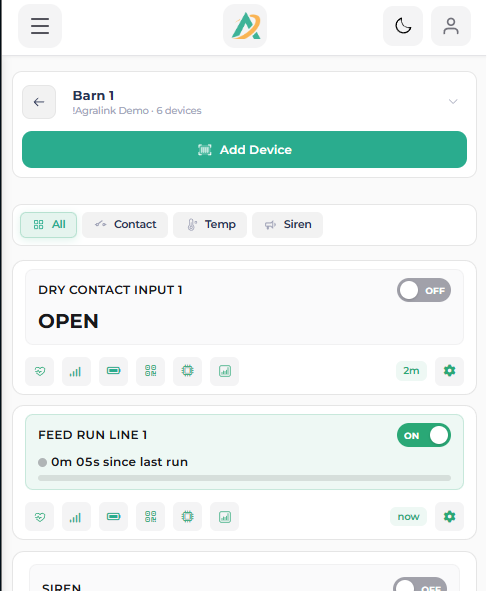
Feed Run Time is a new alarm metric inside Agralink’s feed bin monitoring that tells growers the moment an auger keeps running past a set time, wasting feed, or stops running long enough that the animals miss a meal.
Feed Run Time is a new alarm metric inside Agralink’s feed bin monitoring that tells growers the moment an auger keeps running past a set time, wasting feed, or stops running long enough that the animals miss a meal.
What Feed Run Time Means
A feed line has one job. It carries feed from the bin, through the auger, and into the hoppers and pans. The grower can set a threshold, say 20 minutes, and if the line runs past that mark, the system sets off the alert. That's Feed Run Time doing its job when there's a feed overrun problem.
Feed underrun works the same way, just in reverse. If a feed line has not run in two hours, that's also a problem. Whatever the source of the issue, the animals are not getting fed. Every minute that feed line goes unnoticed, you're closer to a more serious problem, one that now includes the animal.
Why this Sits Inside Feed Bin Monitoring
Bin-level monitoring already tells a grower how much feed is sitting in the bin. Feed overrun and feed underrun close the loop by watching what happens after feed leaves the bin. You’ll know if it got to where it needs to go, if it is too much or too little. Together, they give a grower a full picture of the feed system.
How the Sensor Sees the Feed Line
Each hopper along the feed line has a small switch inside it. As the hopper fills with feed, the switch turns off and the auger pauses. As the animals eat the feed and the feed goes below the designated threshold, the switch releases and the auger begins to fill it again.
A dry contact sensor watches the switch. Because the Agralink dry sensor from Agralarm has three inputs, one unit can monitor up to three separate feed lines in a single house. This minimizes the amount of hardware needed in each house and on the farm itself. If the switch stays in one position too long, whether stuck on or off, the dry contact sensor knows something has changed, that’s what the feed overrun and feed underrun are tasked to catch.
One Sensor, Two Alarms, No Additional Hardware
A feed line can only be on or off. It is either running too long or it has not run long enough. Since a single dry contact sensor already tracks the switch, the same input can power both alarm conditions.
This matters for growers who are comparing options. Older hardware-based systems typically require a separate board and a separate alarm hookup for every few feed lines. Adjusting the settings often means physically reprogramming each unit situated in each house. This can take about thirty minutes per house. Agralink adjustments happen from the same Dashboard growers are already using, right on the phone, tablet or desktop. For current pricing on feed overrun and feed underrun for your operation, reach out to your Agralink dealer, or contact us directly at quotes@agralarm.com.
Built for the Animal Feeding Schedules
Feed schedules are not the same across every operation. Some animals are fed continuously throughout the day. Others are on a strict diet.
That is where the new Agralink Feed Run Time scheduler comes in. Growers can set a block of time, such as eight in the morning to five in the evening, during which the feed overrun and feed underrun alarms stay active. Outside that window, the alarm goes quiet automatically. Make your own timeframe for the days of the week. Now a grower can apply the same timeframe Monday through Friday and leave weekends open, or any other combination.
A Feeding Pattern
Let’s take for instance a broiler operation. Some broiler operations add supplements to the feed for health reasons. Next, the lights get shut off overnight, which is an indication to the birds to stop feeding and get some rest. Without a defined schedule, the overnight quiet period could trigger a feed underrun alarm every single night, even though nothing is actually wrong. With the scheduler tied to feed overrun and feed underrun, growers can set the alarm to stay active only during daylight feeding hours. Now the nighttime rest is meaningful and does not generate false alerts.
A Look Inside the Day to Day
For a grower with three feed lines in a house, one dry contact sensor covers all three. If a line clogs and the auger keeps pushing feed into an already full hopper, the feed overrun alarm fires and someone can shut it off before feed spills across the floor. If a motor trips and a line goes quiet, the feed underrun alarm fires before birds go hours without food.
Because the same Agralink Dashboard already handles bin level, temperature, and other house alerts, feed overrun and feed underrun show up as one more line item a grower checks on their phone, tablet or laptop. That consistency is part of what makes the feature useful in practice.
Feed Overrun and Feed Bin Monitoring Work Together
Feed bin monitoring answers a supply question. It tells a grower how much feed is left and when to schedule the next delivery. Feed overrun and feed underrun answer a delivery question. They tell a grower whether feed is actually moving from the bin to the animals.
A grower who only tracks bin level can still be caught off guard by a stuck switch or a clogged hopper. Pairing bin level data with feed overrun and feed underrun alarms. gives growers visibility over the entire feeding process, not just the starting point, the bin.
Frequently Asked Questions
Can one sensor really monitor multiple feed lines? Yes. Because the dry contact sensor has three inputs, a single unit can watch up to three feed lines in the same house. This saves you on the cost of hardware and the messiness of hardware.
Can the alarm be limited to certain hours or certain days? Yes. The Agralink scheduler lets growers set one continuous block of time when the alarm is active, and the grower can choose which days of the week that block applies to.
How does this compare to older hardware-based feed alarm boards? Legacy boards typically require a separate board and alarm hookup for a handful of lines, and changing settings can take about thirty minutes per house. Agralink adjustments happen from the same online Dashboard growers already use.
Putting it All Together…
Feed overrun and feed underrun turn an existing dry contact sensor into a tool that allows Agralink to watch the whole feed delivery process, not just the level in the bin. If you are a current customer using Agralink's feed bin monitoring system the upgrade is available now and works alongside the new scheduler so alerts sound when they actually matter.
Contact us to learn more about it at quotes@agralarm.com.
More Articles
Why Growers Who Build Their Own Poultry and Swine Alarm Systems Are Ahead of the Curve
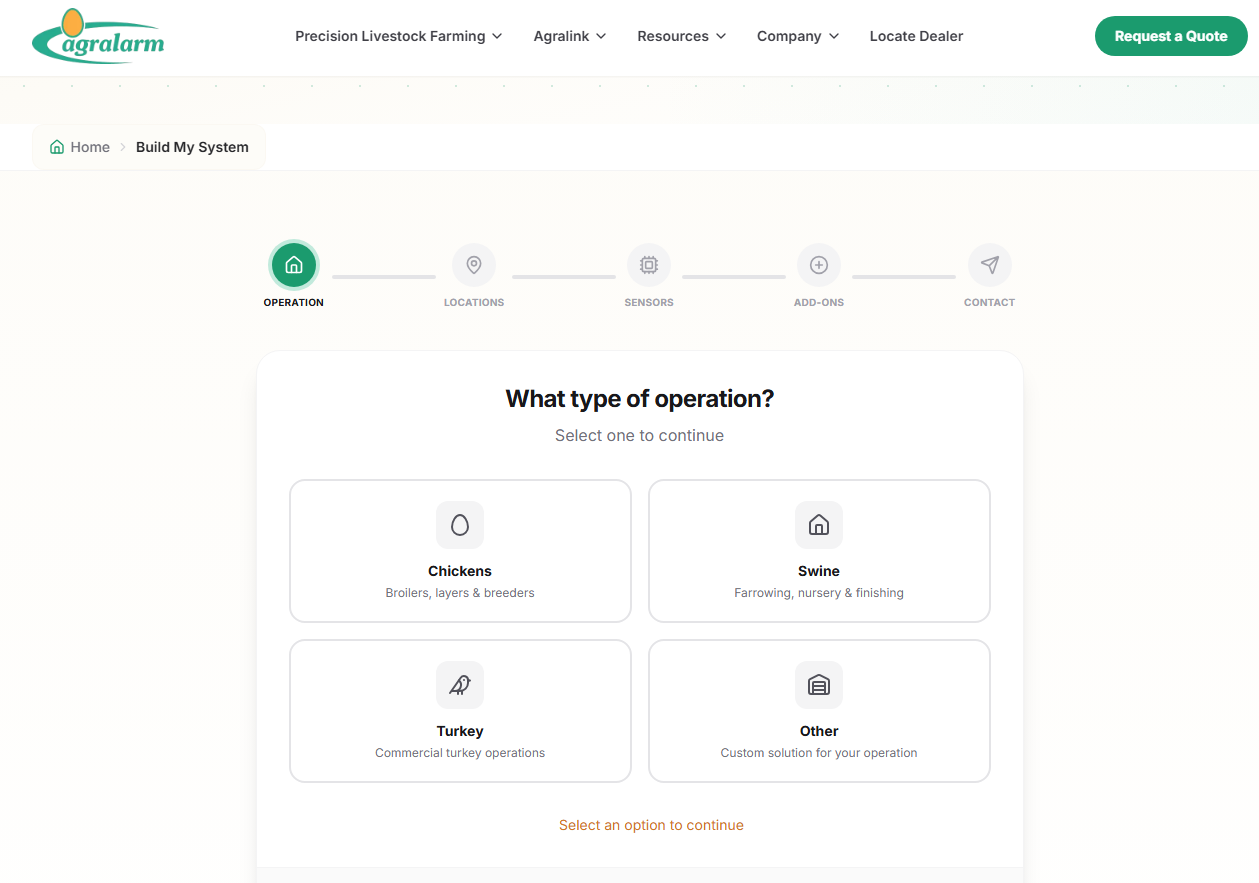
Building your own poultry and swine alarm system, means choosing the number of locations, type of sensors per house and any add-ons. These choices matter because bird and hog loss can happen within minutes of a temperature increase or ventilation failure. A poultry and swine alarm system can check temperature, humidity, feed bin levels and water meter in real time, giving growers the response window needed to protect their livestock.
Feed Bin Monitoring Gives Growers Control Over their Biggest Cost
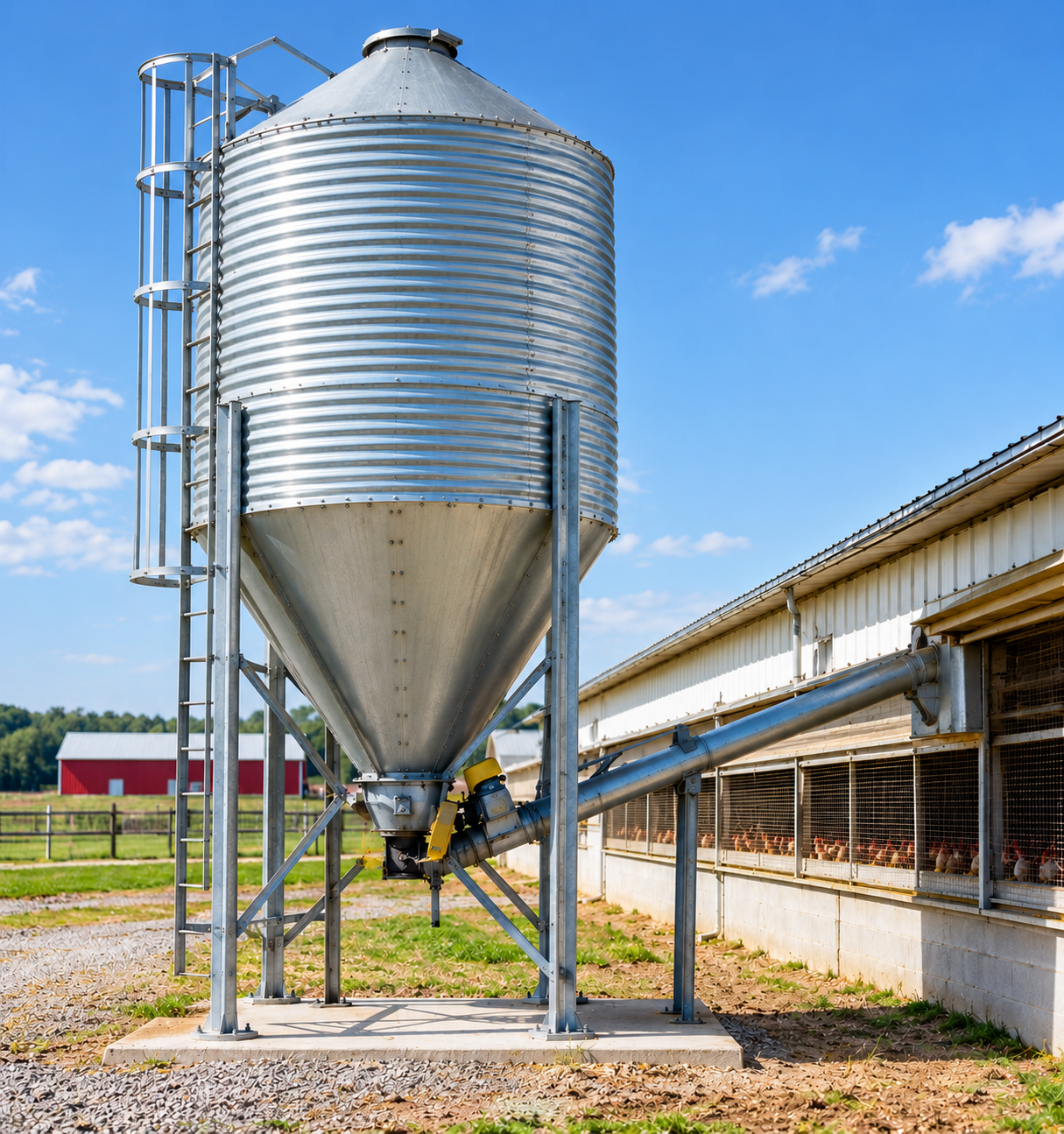
Let’s focus on feed bin monitoring. It’s one of the largest investments you’ll make on the farm. Wouldn’t you like to maximize those costs so nothing goes to waste? So we’re all on the same page, let’s first discuss what feed bin monitoring is.
How Much a Swine Farm Can Lose Before an Alarm Goes Off
Learn More About Agralink
See how Agralink's smart farm technology can support your operation.