
How Much a Swine Farm Can Lose Before an Alarm Goes Off
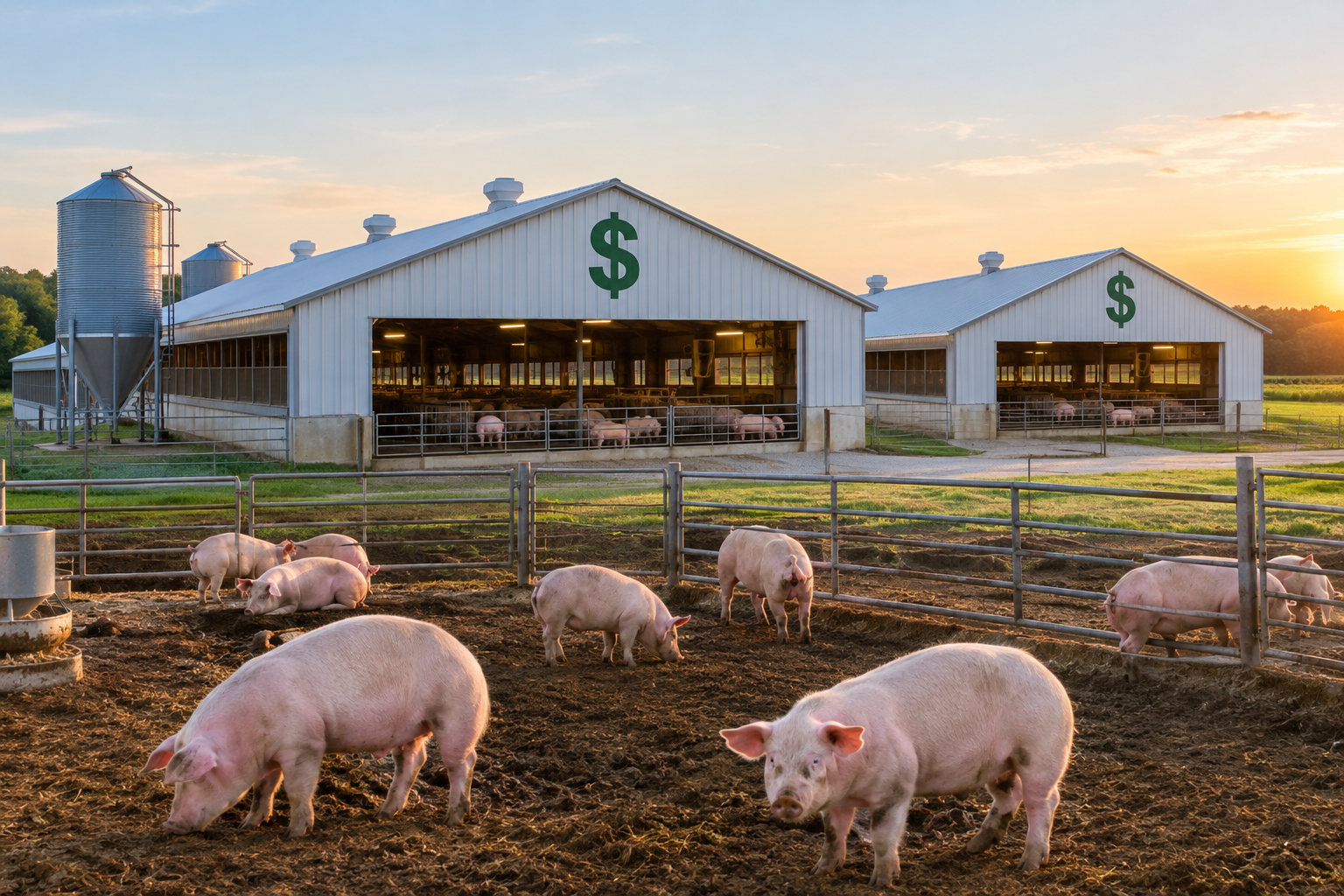
When you own a business, even a farm business, profits and expenses are carefully monitored. When it comes to animals, each one has its own combination of environmental comforts for the best result. But what happens if the combination of temperature, humidity, feed and water get interrupted? Of course, you already know the answer to the question. Can a swine farm alarm protect your most important assets?
Here’s what can be estimated based on a bit of research. A swine finishing barn running 500 hogs can face roughly $280 in carcass value at risk from a 24 hour feed interruption, up to $1,900 or more at 36 hours, and approximately $55 per day during a heat stress event. A water disruption may not have an estimated dollar figure, but research shows it can signal a health problem 24 to 48 hours before symptoms appear.
Growers have experienced losses of animals and money over their careers and know the challenges, especially when something goes wrong at 2:00 in the morning. That’s when those numbers start to add up.
We’re going to cover what published research says about production losses and why the economic argument for a farm alarm system comes down to one simple idea: detecting a problem hours earlier so the grower can do something about it.
The Triple Threat: Feed, Temperature and Water
Feed, temperature, and water are the three factors that swine depend on. All three can face issues without any visible signs, especially when it comes to nights and weekends. Each area has documented effects on production when something goes wrong.
The research tells a different story for feed, temperature and water. The way growers need to think about the financials can be different for each. Understanding those differences is what is used to make the case for a farm alarm system.
The Cost for Feed Interruption
Feed withdrawal is one of the most studied topics in swine finishing science. That’s because it’s the controlled withdrawal before harvest, which according to the research, is a standard practice. This gives growers a good foundation for estimating what an unplanned feed outage might cost.
The Research Behind the Numbers
A 2025 study published in Translational Animal Science followed 695 finishing pigs through controlled feed withdrawal periods. The researchers found that extending withdrawal from 8 hours to 24 hours reduced hot carcass weight by approximately 0.66 pounds per pig. Earlier studies cited in that paper suggest losses of 4.4 pounds or more per pig when withdrawal extends to 36 hours or more. Now you have a basis for measured production value that can be at risk if there is an unplanned outage.
A 500-Hog Example
Now that we have the published figures and a current carcass value of approximately $0.85 per pound, which reflects national negotiated carcass prices reported by USDA in September 2026, the math for a finishing barn looks like this.
| Duration | Weight Loss Per Pig | Total Lost Weight (500 hogs) | Illustrative Value at $0.85/lb |
|---|---|---|---|
| 24 hours | 0.66 lb | 330 lb | ~$280 |
| 36 hours or more | 4.4 lb or more | 2,200 lb or more | ~$1,870 or more |
What is interesting is the difference between 24 hours and 36 hours. A problem discovered at hour 24 and resolved quickly is a very different outcome than one that goes undetected until the following morning. A farm alarm by Agralarm can reduce the 24 hour down significantly.
Heat Stress and the Effects on Production Value
Heat stress is a slower and less obvious threat than a feed auger failure, but its financial impact builds quickly through the swine barn. The effect is well documented in the scientific literature and represents a challenge for swine producers throughout the warm weather months.
What 22 Studies Found
Analyzing 22 published studies( da Fonseca de Oliveira et al. 2019), compared finishing pigs kept at thermoneutral temperatures of 64.4 to 77 degrees F with pigs exposed to ambient temperatures in the range of 84.2 to 95 degrees F. The researchers found that average daily gain fell from 1.44 pounds per day to 1.31 pounds per day under heat stress conditions. That is a reduction of approximately .13 pounds per pig per day, or roughly 8.9%.
For 500 pigs, .13 pounds per pig per day adds up to about 64.6 pounds of potential weight gain that does not happen because of the heated environment in the barn.
The Production Value at Stake
At an illustrative carcass value of $0.85 per pound, that daily difference represents approximately $55 in potential production value. The table below shows how that accumulates across heat stress over time.
| Heat Stress Duration | Illustrative Lost Gain | Illustrative Value at $0.85/lb | Basis |
|---|---|---|---|
| 6 hours | ~16 lb | ~$14 | Linearized from daily figure |
| 12 hours | ~32 lb | ~$27 | Linearized from daily figure |
| 24 hours | ~65 lb | ~$55 | Linearized from daily figure |
| 48 hours | ~129 lb | ~$110 | Linearized from daily figure |
What matters is the cause. A ventilation failure, a broken fan, or a cooling system that goes down during high heat can affect an entire barn at the same time. A farm alarm system, such as Agralink, triggers an alert when temperature crosses a set threshold, giving the grower an opportunity to react before any losses occur, and maybe even before any effects occur.
Water Monitoring is All About Finding the Problem Now
Establishing the exact figure for water is a challenge. A 2014 Journal of Animal Science study from Purdue University examined 24 hour water deprivation in weaned pigs. The researchers found that even a single day without water negatively affected growth, feed intake, and produced measurable physiological stress responses. That is meaningful evidence that water matters.
But weaned nursery pigs and 250-pound finishing hogs are physiologically different animals. The research does not exist yet.
What Water Monitoring Tells You
Here is where the University of Minnesota Extension offers some useful information. Research shows that a drop of more than 30 percent in daily water consumption, or a decline across three consecutive days, can be an early indicator of a health problem.
The detail used in the research was timing. Water monitoring can detect something going wrong 24 to 48 hours before clinical symptoms appear. For a grower, that is the difference between catching a respiratory virus before it spreads.
The financial case for water monitoring is built on the cost of a disease outbreak that was not caught early, the treatment expenses, the mortality, and the lost production that follows.
Earlier Detection Changes Everything
A farm alarm system alerts the grower as soon as the threshold has exceeded above or below water flow. Again, the outcome will be different if the problem comes up again at 2:00 in the morning.
A feed auger failure discovered at midnight can immediately be tended to with our Feed Monitoring system with real-time data presented in our Dashboard with a special page dedicated to feed monitoring, FeedIQ. A notification goes out letting the grower and/or the person assigned to feed monitoring know. That is what the Agralink system is designed to do.
A ventilation problem caught at 11:00 PM during a July heat wave can trigger a response that limits the damage by using the Agralink temperature sensor. A drop in water use detected is also monitored in real time with our water meter monitoring system. Finding out as soon as it happens is where the cost justification for the Agralink system comes in.
What This Means for Your Operation
The table below brings the three risk factors together in a single summary.
| Risk Factor | Research Basis | Impact (500 hogs) | Best Early Signal |
|---|---|---|---|
| Feed failure | 2025 Translational Animal Science | $280 at 24 hrs; $1,870 at 36+ hrs | LiDAR measures feed level, sensor alert |
| Heat stress | Analysis of 22 studies | ~$55 per day | Temperature alarm above 84 F |
| Water disruption | University of Minnesota Extension | Health risk detectable 24 to 48 hrs early | 30% or greater drop in daily water use |
Every farm is different. The research study provides a good guideline for factors and potential costs associated with each.
So, how does the cost of a farm alarm system compare to a 36 hour feed interruption? Or, one week of heat stress without ventilation correction? Or a single disease outbreak caught a day earlier than it otherwise would have been? The math proves the farm alarm benefits each time. Contact us today to get started.
Sources and Research References
Translational Animal Science (2025). Effects of extended pre harvest feed withdrawal on hot carcass weight in finishing pigs (n=695).
Meta-analysis of 22 published studies. Comparison of average daily gain in pigs at thermoneutral (18 to 25 C) versus high ambient temperature (29 to 35 C) conditions.
Journal of Animal Science (2014). Purdue University. Effects of 24 hour water deprivation on growth performance, feed intake, and physiological stress responses in weaned pigs.
University of Minnesota Extension. Water monitoring in swine production: using water consumption trends as an early indicator of herd health events.
USDA Agricultural Marketing Service. National Daily Direct Slaughter Hog Prior Day Report. September 2026. Used for illustrative carcass price of approximately $0.85 per pound.
More Articles
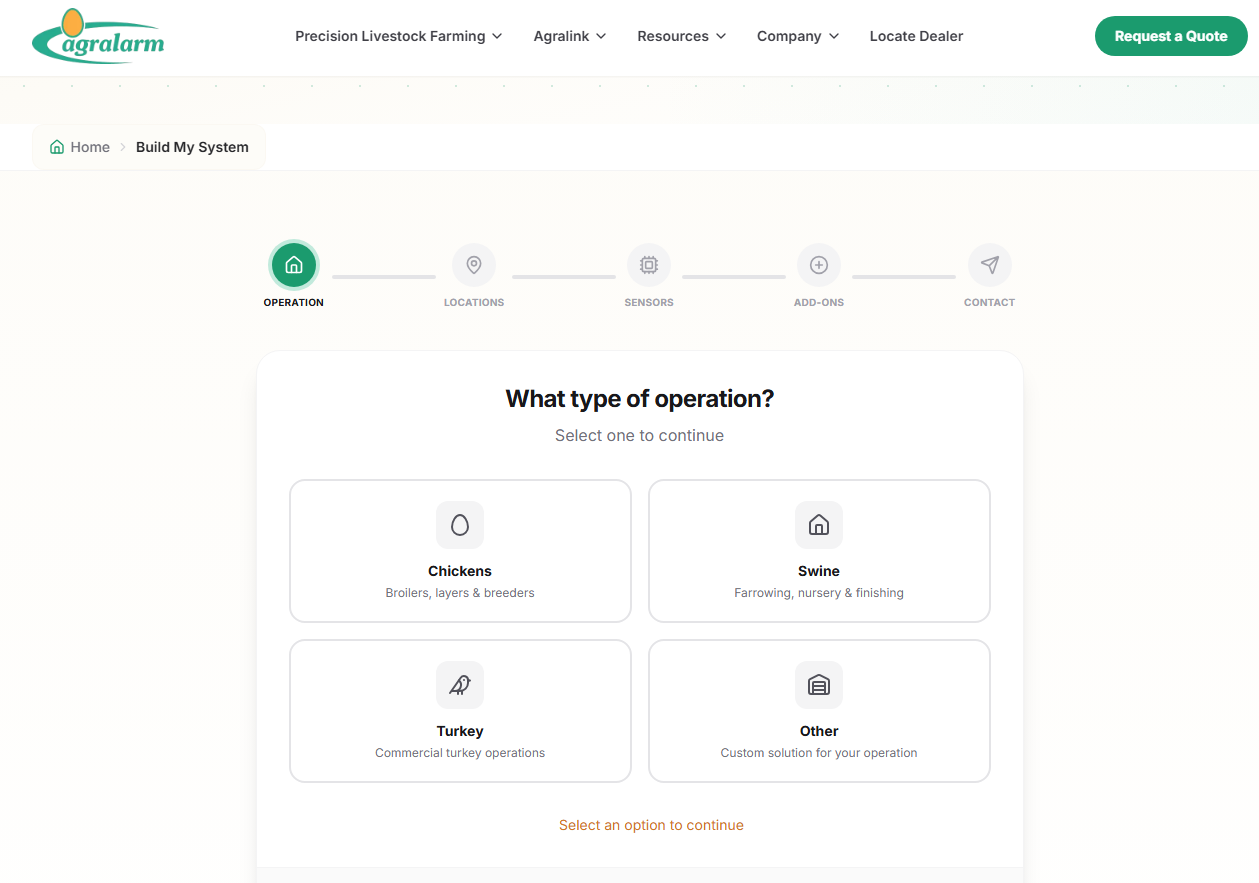
Why Growers Who Build Their Own Poultry and Swine Alarm Systems Are Ahead of the Curve
Building your own poultry and swine alarm system, means choosing the number of locations, type of sensors per house and any add-ons. These choices matter because bird and hog loss can happen within minutes of a temperature increase or ventilation failure. A poultry and swine alarm system can check temperature, humidity, feed bin levels and water meter in real time, giving growers the response window needed to protect their livestock.
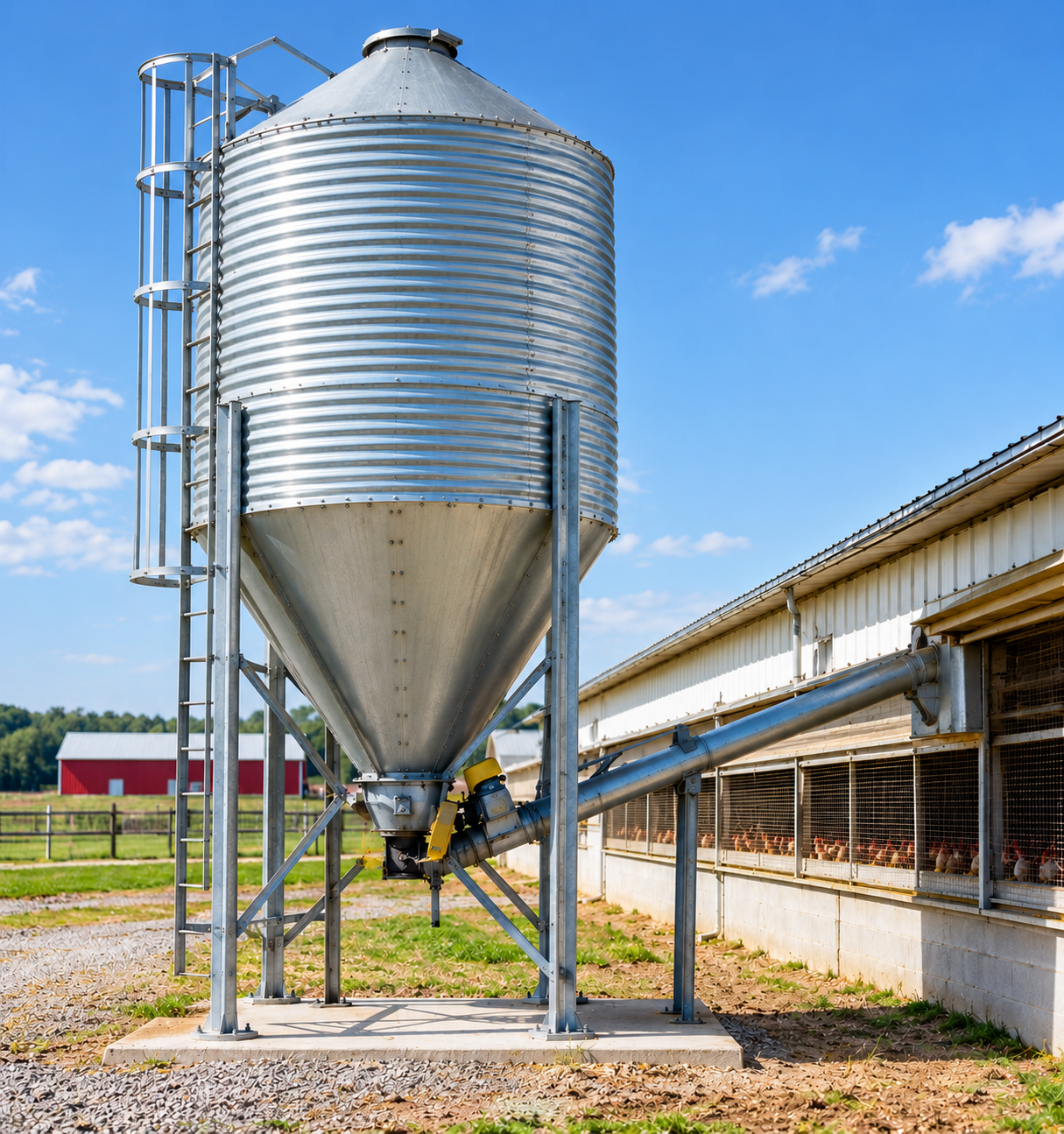
Feed Bin Monitoring Gives Growers Control Over their Biggest Cost
Let’s focus on feed bin monitoring. It’s one of the largest investments you’ll make on the farm. Wouldn’t you like to maximize those costs so nothing goes to waste? So we’re all on the same page, let’s first discuss what feed bin monitoring is.

How Agralink Keeps Your Broilers, Layers and Breeders Safe Around the Clock
One of the most comprehensive commercial poultry alarm systems is Agralink. Agralink keeps your broilers, layers and breeders safe. It is a remote monitoring platform delivering real-time SMS and voice alerts the moment temperature spikes, ventilation fails, water pressure drops, or the power goes out. From any device, growers gain full visibility across your barns from a single, online dashboard with current and historical data to improve performance over time.
Learn More About Agralink
See how Agralink's smart farm technology can support your operation.